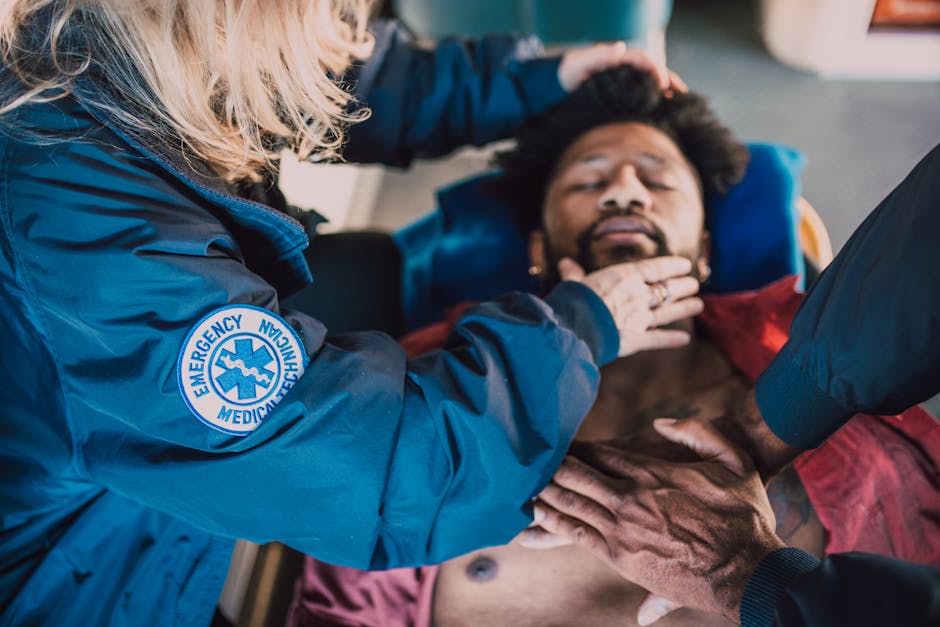
When a person experiences a cardiac arrest, every second counts. Cardiopulmonary resuscitation (CPR) is a critical skill that can mean the difference between life and death. In this article, we will explore the importance of CPR, the techniques involved, and how you can become trained to save lives. With statistics showing that nearly 350,000 cardiac arrests occur outside of hospitals annually in the United States alone, understanding CPR is more essential than ever.
The Basics of CPR
CPR is a lifesaving technique designed to maintain blood flow to the heart and brain until more advanced medical help can arrive. The process involves a combination of chest compressions and rescue breaths, aimed at mimicking the heart’s pumping action. The American Heart Association recommends starting CPR with chest compressions at a rate of 100 to 120 compressions per minute, allowing for full recoil of the chest between compressions.
Knowing when to perform CPR is crucial. If a person is unresponsive and not breathing, immediate CPR should be initiated. The sooner CPR is performed, the higher the chance of survival, as brain damage can start occurring within minutes of oxygen deprivation.
How to Perform CPR
Performing CPR involves several key steps. First, ensure the scene is safe, then check the person for responsiveness. If they are unresponsive, call for emergency assistance and begin CPR immediately. Here’s a step-by-step guide:
- Place the heel of one hand on the center of the person’s chest, then place your other hand on top and interlock your fingers.
- Keep your elbows straight and position your shoulders directly above your hands.
- Push down hard and fast, at least two inches deep, allowing full chest recoil.
- After 30 compressions, give 2 rescue breaths if you are trained to do so.
For untrained bystanders, hands-only CPR is highly effective. This involves continuous chest compressions without breaths, which can still significantly improve the chance of survival.
The Role of AEDs in CPR
An Automated External Defibrillator (AED) is a portable device that delivers an electric shock to the heart in cases of certain cardiac arrests. AEDs are often found in public places, and they are designed to be user-friendly, providing voice prompts to guide the user through the process. When CPR is being performed, using an AED as soon as possible can greatly enhance the chances of survival.
Studies have shown that using an AED in conjunction with CPR can double or even triple a person’s chances of survival after a cardiac arrest. It is essential that people familiarize themselves with the location of AEDs in their community and learn how to use them effectively.
Importance of CPR Training
Training in CPR and AED use is vital for everyone, not just healthcare professionals. Many organizations offer CPR courses that are accessible to the general public. These courses typically cover the essentials of CPR, how to use an AED, and how to respond in emergency situations.
For those in Stockholm, there are excellent options available to receive training. Participating in a HLR kurs Stockholm can equip you with the skills you need to act confidently in a crisis. By learning CPR, you not only improve your ability to help others but also gain a sense of empowerment in emergency situations.
Conclusion: Be Prepared to Save a Life
CPR is a simple yet powerful tool that can save lives. Understanding how to perform CPR and the importance of acting quickly can make a significant difference in an emergency. With nearly 70% of cardiac arrests occurring at home, it is likely that you may one day be in a position to help a loved one or a stranger in need.
Take the initiative to get trained in CPR and familiarize yourself with AEDs. By doing so, you become a vital link in the chain of survival, potentially saving a life when it matters most. Remember, every second counts, and your knowledge and readiness can make all the difference.
About the Author