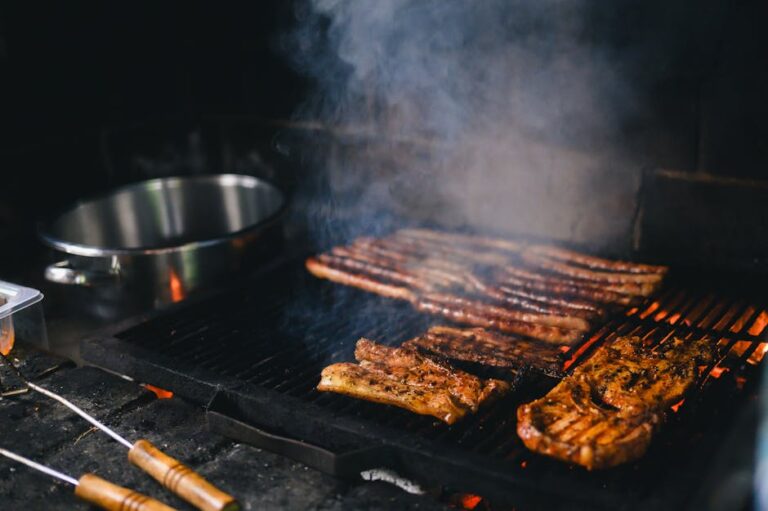
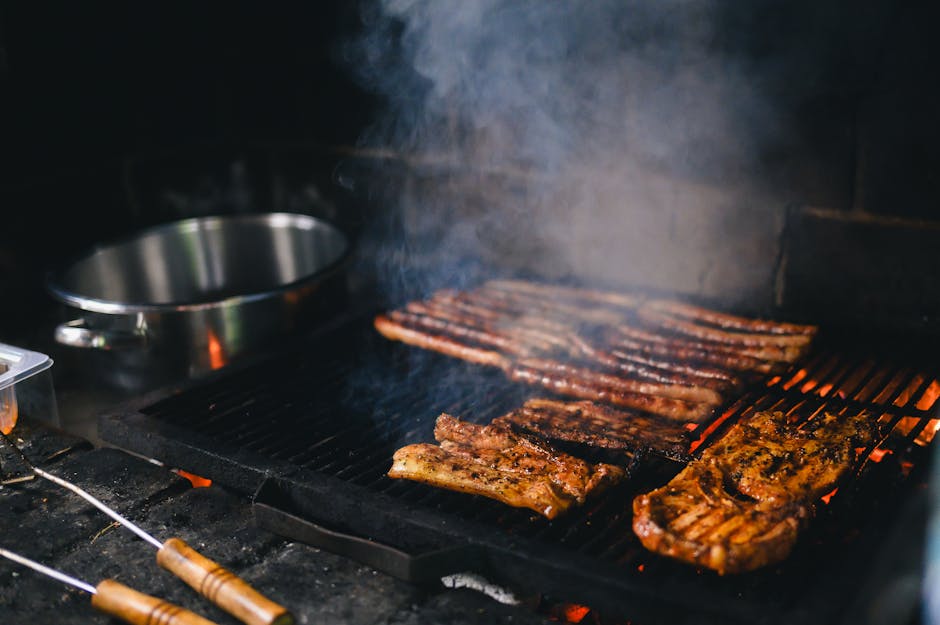
Barbecue is more than just a method of cooking; it is a culinary art that has captured the hearts and taste buds of food lovers around the world. From the smoky aroma of grilled meats to the sizzle of vegetables on the grill, barbecue brings people together and creates lasting memories. Whether you’re a seasoned pitmaster or a novice grill enthusiast, understanding the nuances of barbecue can elevate your cooking experience and impress your guests.
Understanding the Basics of Barbecue
The foundation of barbecue lies in the technique used to cook food. Unlike traditional grilling, which often involves high heat for short periods, barbecue is a low and slow cooking method that uses indirect heat. This process allows the flavors to develop deeply and results in tender, juicy meat. The key to successful barbecue is knowing how to manage temperature and smoke.
Different types of barbecue exist around the globe, with regional variations reflecting local ingredients and cooking traditions. For instance, Texas barbecue is famous for its brisket, while Kansas City is known for its sweet and tangy sauces. Understanding these regional styles can help you choose the right approach for your barbecue.
Moreover, the choice of fuel is crucial. Charcoal, wood, and gas are the most common fuel types, each imparting distinct flavors to the food. Charcoal provides a classic smoky taste, while wood adds a unique aroma depending on the type used, such as hickory or mesquite. Gas grills offer convenience but may lack the depth of flavor found in other methods.
The Importance of Marinades and Rubs
One of the secrets to great barbecue is the use of marinades and rubs. These flavor enhancers not only tenderize the meat but also add complexity to the dish. Marinades typically consist of acidic components like vinegar or citrus juice, combined with herbs and spices. They are ideal for chicken and fish, which benefit from the added moisture and flavor.
Rubs, on the other hand, are dry mixtures of spices applied to the surface of the meat before cooking. A good rub can create a flavorful crust that seals in juices. Popular rub ingredients include paprika, garlic powder, brown sugar, and cayenne pepper. Experimenting with different combinations allows you to create a signature flavor profile that reflects your style.
For a truly memorable barbecue, consider using a combination of both. Marinate your meat overnight for maximum flavor absorption, and apply a rub just before grilling to achieve that perfect crust.
Mastering the Grill Techniques
Once you have your meat prepped with marinades and rubs, it’s time to master the grilling techniques. The two main methods used in barbecue are direct and indirect grilling. Direct grilling involves cooking food directly over the heat source, making it ideal for quick-cooking items like burgers and steaks.
Indirect grilling, on the other hand, is used for larger cuts of meat, such as ribs or brisket. In this method, the heat source is positioned to the side, and the food is placed away from the direct heat. This allows for slow cooking and smoke absorption, resulting in tender and flavorful meat. Using a meat thermometer is essential for ensuring that your barbecue reaches the appropriate internal temperature for safety and quality.
Additionally, managing the temperature of your grill is vital. For low and slow cooking, aim for a temperature range of 225°F to 250°F. Using a combination of vents and water pans can help regulate temperature and maintain moisture during the cooking process.
Creating the Perfect Barbecue Experience
Barbecue is not just about the food; it’s also about the experience. Preparing a barbecue meal often involves gathering friends and family, sharing stories, and enjoying the outdoors. Create a welcoming atmosphere by setting up comfortable seating and providing plenty of shade and refreshments.
Incorporating side dishes can elevate your barbecue feast. Classic accompaniments include coleslaw, baked beans, and cornbread. These sides not only complement the main dish but also add color and variety to your table. Don’t forget the beverages; a good barbecue often pairs well with cold beers, iced tea, or homemade lemonade.
Lastly, consider the presentation of your barbecue. Using garnishes such as fresh herbs or colorful vegetables can make your dishes visually appealing. A well-plated meal enhances the overall dining experience and shows your guests the care you put into your cooking.
Conclusion
Barbecue is a culinary journey that can be both enjoyable and rewarding. By understanding the methods, techniques, and flavors involved, you can create delicious meals that impress your family and friends. Remember, practice makes perfect, so don’t be afraid to experiment with different recipes and styles. With a little dedication and creativity, you can master the art of barbecue and make it a cherished tradition in your home. For any further inquiries or tips, feel free to reach out to Zeus for expert advice.
About the Author