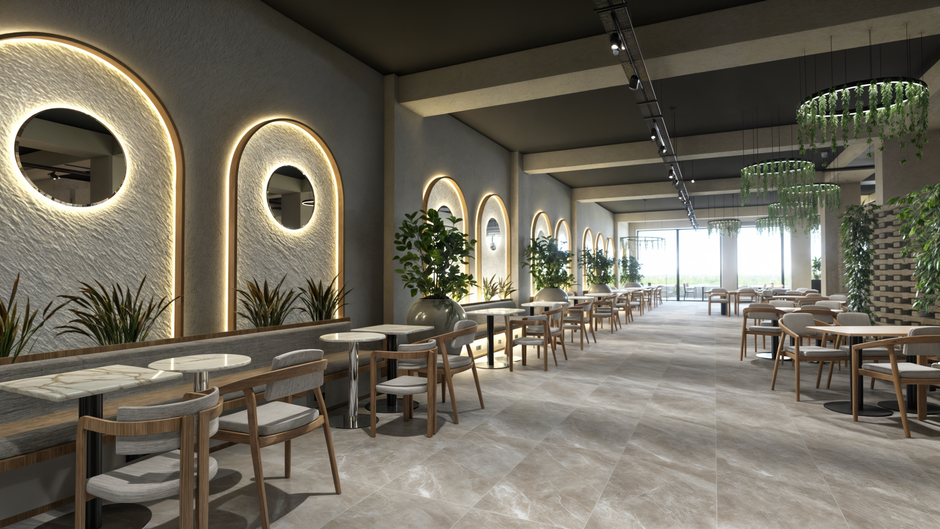
In the competitive world of dining, the importance of a well-designed restaurant interior cannot be overstated. It is not just about aesthetics; the interior of a restaurant plays a crucial role in shaping the overall dining experience. From the moment a customer walks in, the design sets the tone, influences their mood, and can even affect their taste perception. This article explores the key elements of restaurant interior design and how they can elevate a dining establishment’s appeal.
Understanding the Basics of Restaurant Interior Design
Restaurant interior design encompasses several components, including layout, color schemes, lighting, furniture selection, and decor. Each of these elements contributes to the overall atmosphere and functionality of the space. For instance, an open layout can create a sense of community, while private booths may offer intimacy for couples or small groups. The first step in effective design is understanding the target demographic and the type of dining experience the restaurant aims to provide.
Colors play a significant role in influencing customer emotions and behaviors. Warm tones like reds and oranges can stimulate appetite, while cool tones like blues and greens create a calming effect. Lighting, too, is pivotal; it can highlight certain areas, create ambiance, and even enhance food presentation. A well-thought-out lighting plan can transform a space from casual to elegant with just a few adjustments.
Creating a Cohesive Theme
A successful restaurant interior design is often built around a cohesive theme that resonates with the cuisine offered. For instance, a rustic Italian trattoria might feature wooden beams, terracotta tiles, and vintage Italian posters, while a modern sushi bar may adopt a minimalist approach with sleek lines and natural materials. The theme should guide all design choices, ensuring that every element aligns with the restaurant’s identity.
Moreover, the theme should extend to the menu and service style. For example, a casual diner with a retro theme might offer comfort food and counter service, while a high-end restaurant with a sophisticated theme might focus on gourmet dishes and formal service. This alignment helps create a memorable experience that customers are likely to share with others.
Maximizing Space and Functionality
Efficient use of space is paramount in restaurant design. Every square foot needs to be optimized to ensure both customer comfort and operational efficiency. This means considering the flow of both patrons and staff. A well-designed kitchen should be accessible yet discreet, allowing for smooth operation without disrupting the dining experience.
In terms of seating, a mix of table sizes can accommodate various group sizes and preferences. Furthermore, incorporating flexible seating arrangements can adapt to different dining times and customer needs. For instance, communal tables may encourage social interaction during busy lunch hours, while intimate booths may attract couples during dinner service.
Incorporating Technology
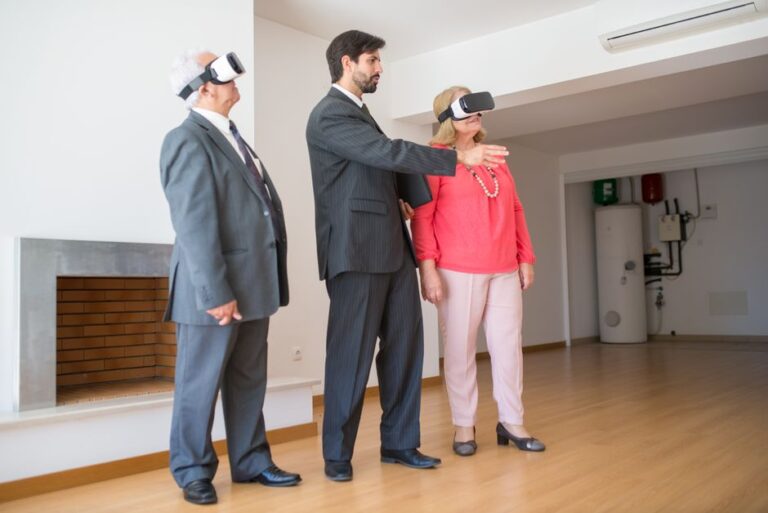
In today’s digital age, incorporating technology into restaurant interior design is becoming increasingly important. Touchless payment systems, digital menus, and even augmented reality experiences can enhance customer interaction and streamline operations. The integration of technology should be seamless, complementing the overall design without overwhelming the space.
Moreover, social media has changed the way restaurants are marketed. A visually appealing interior can serve as a backdrop for Instagram-worthy photos, encouraging customers to share their experiences online. Therefore, incorporating elements that are not only functional but also photogenic can greatly benefit a restaurant’s visibility and appeal.
Case Studies: Successful Restaurant Designs
Several restaurants around the world have successfully implemented innovative interior designs that reflect their unique cuisine and concept. For instance, the renowned Noma in Copenhagen utilizes natural elements and a rustic aesthetic to complement its focus on foraged ingredients. This connection to nature enhances the dining experience and aligns perfectly with the restaurant’s philosophy.
Another example is the whimsical design of Alice in the Sky, a themed restaurant in South Korea that draws inspiration from the beloved children’s story. With its vibrant colors and playful decor, it creates an engaging environment that attracts families and younger diners. Such innovative designs not only differentiate these establishments in a crowded market but also create memorable experiences that encourage repeat visits.
Conclusion
In conclusion, restaurant interior design is a multifaceted discipline that significantly impacts customer experience and business success. By understanding the basics, creating a cohesive theme, maximizing space, incorporating technology, and learning from successful case studies, restaurant owners can design spaces that not only attract customers but also keep them coming back for more. A well-designed interior is an investment that pays dividends in customer satisfaction and loyalty. For those looking to elevate their space, seeking professional guidance in restaurant interior design can make all the difference.
About the Author