In the ever-evolving world of gastronomy, a restaurant’s interior design plays a crucial role in shaping the dining experience. It is not merely an aesthetic choice; rather, it influences customer behavior, enhances brand identity, and ultimately drives sales. From cozy cafes to upscale dining establishments, the interior design sets the stage for culinary creativity and customer satisfaction. This article delves into the essential elements of restaurant interior design, exploring how they can be utilized to create inviting and memorable spaces.
The Importance of First Impressions
When it comes to dining out, first impressions are paramount. Studies indicate that customers form an opinion about a restaurant within the first 30 seconds of entering. This is where the concept of restaurant interior design becomes vital. A well-thought-out design can effectively communicate the restaurant’s theme and ambiance, enticing guests to stay longer and enjoy their meal.
For instance, a casual eatery might opt for bright colors and eclectic decor to create a lively atmosphere, whereas a fine dining establishment may choose muted tones and elegant furnishings to evoke sophistication. The right design not only attracts customers but also encourages them to return, making it a worthwhile investment.
Layout and Flow: Creating a Comfortable Experience
The layout of a restaurant is just as important as its decor. A functional layout facilitates smooth operations for staff while providing comfort for guests. Considerations such as the distance between tables, the positioning of the bar, and the flow from the kitchen to the dining area all play a significant role in the overall experience.
Moreover, creating distinct zones within a restaurant—such as a bar area, dining space, and private rooms—can cater to different customer preferences. For example, families may appreciate a spacious area with easy access to high chairs, while couples might prefer a more intimate setting. Effective restaurant interior design takes these factors into account, ensuring a seamless experience for all patrons.
Lighting: Setting the Mood
Lighting is a powerful tool in restaurant interior design, capable of transforming the ambiance and mood of a space. Different types of lighting can evoke various emotions; soft, warm lights often create a cozy and inviting atmosphere, while bright, harsh lights might be suitable for fast-casual dining experiences.
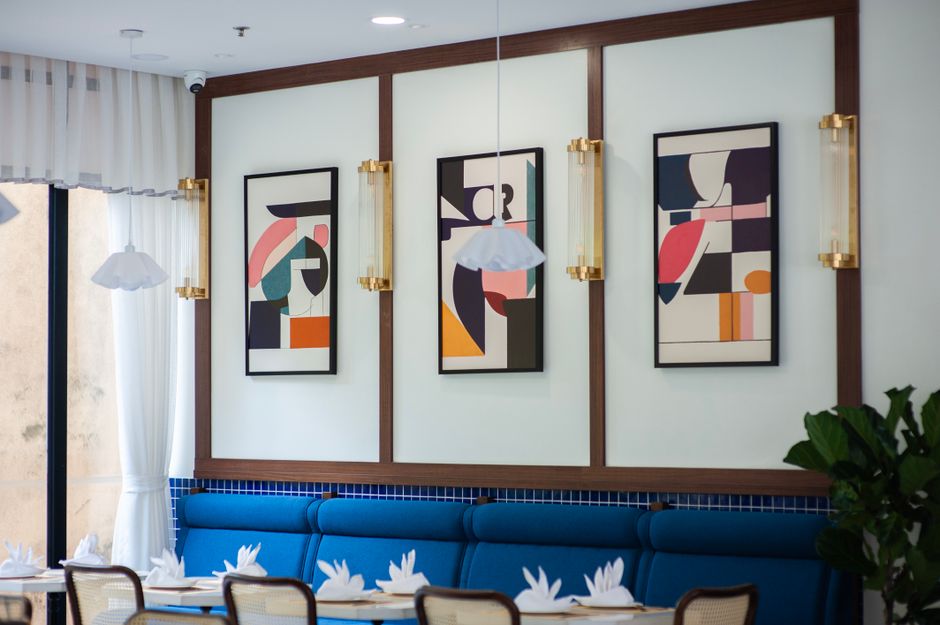
Additionally, the use of natural light can enhance the overall aesthetic of the restaurant. Large windows or skylights can make a space feel more open and airy, attracting daytime diners. On the other hand, strategically placed lighting fixtures can highlight art pieces or architectural features, adding to the decor’s allure. For those looking to delve deeper into this subject, various resources on restaurant interior design offer comprehensive insights.
Color Schemes and Materials: Reflecting Brand Identity
The colors and materials chosen for a restaurant’s interior design are not merely decorative; they reflect the brand’s identity and values. Colors can evoke feelings and influence behavior; for instance, red is often associated with excitement and appetite, making it a popular choice in dining spaces.
Materials also play a crucial role in establishing the desired ambiance. Wood can create a warm, rustic feel, while sleek metal and glass can impart a modern, sophisticated vibe. The right combination of colors and materials can tell a story about the restaurant, guiding customers’ perceptions and expectations even before they glance at the menu.
Incorporating Technology: The Future of Dining Spaces
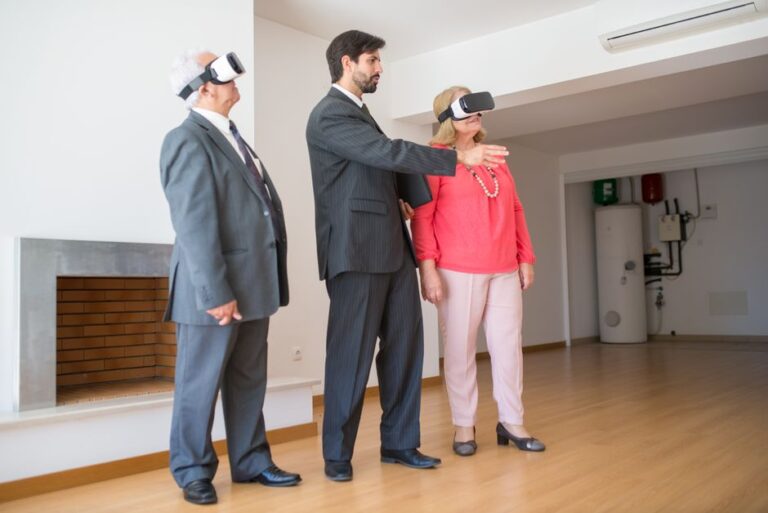
As technology continues to advance, its integration into restaurant interior design is becoming increasingly essential. Digital menus, contactless payments, and interactive dining experiences can enhance customer engagement and streamline service. Moreover, incorporating technology can also create a unique branding opportunity—restaurants can differentiate themselves by offering innovative dining experiences that leverage the latest trends.
For example, some establishments are experimenting with augmented reality (AR) to provide immersive experiences, allowing diners to view 3D models of their dishes before ordering. This not only elevates the dining experience but also fosters customer loyalty. By embracing technology, restaurants can stay ahead of the curve and appeal to a tech-savvy clientele.
Conclusion: The Art of Balancing Aesthetics and Functionality
Restaurant interior design is a multifaceted discipline that requires a careful balance of aesthetics and functionality. It is essential for creating an inviting atmosphere, enhancing customer satisfaction, and reflecting the brand identity. As the restaurant industry continues to evolve, understanding and implementing effective interior design strategies will be crucial for success. By investing in thoughtful design, restaurant owners can create memorable dining experiences that keep customers coming back for more.
About the Author