In the competitive world of dining, the ambiance of a restaurant can be just as important as its menu. Restaurant interior design plays a crucial role in creating a memorable experience for guests. It influences their mood, enhances their dining experience, and even affects their desire to return. In this article, we will explore various aspects of restaurant interior design, from the selection of colors and materials to the overall layout and theme.
The Importance of First Impressions
First impressions are everything. When a customer walks into a restaurant, the initial visual impact can set the tone for their entire meal. Studies show that a well-designed interior can increase customer satisfaction and encourage repeat visits. A restaurant’s interior should reflect its brand identity while also being inviting and comfortable. For instance, a fine dining establishment may opt for elegant decor and subdued lighting to create a sophisticated atmosphere, whereas a casual eatery might favor bright colors and playful elements that evoke a sense of fun.
Furthermore, the layout plays a significant role in shaping the first impression. Open spaces with well-defined sections for dining, bar, and waiting areas can make a restaurant feel more welcoming. This thoughtful arrangement not only enhances the flow of service but also allows for better interaction among guests.
Color Schemes and Their Psychological Impact
Color is a powerful tool in interior design, capable of evoking specific emotions and responses. Warm colors like red and orange can stimulate appetite and conversation, making them popular choices for dining areas. In contrast, cool colors such as blue and green tend to create a calming atmosphere, which might be more suitable for cafes or wellness-focused restaurants.
According to color psychology, different hues can influence customer behavior. For example, a bright yellow can create a sense of cheerfulness, while a darker palette may evoke a sense of intimacy. Therefore, understanding the psychology behind colors is essential for restaurant owners looking to create the perfect ambiance. Incorporating these insights into restaurant interior design can markedly enhance the dining experience.
Lighting: Setting the Mood
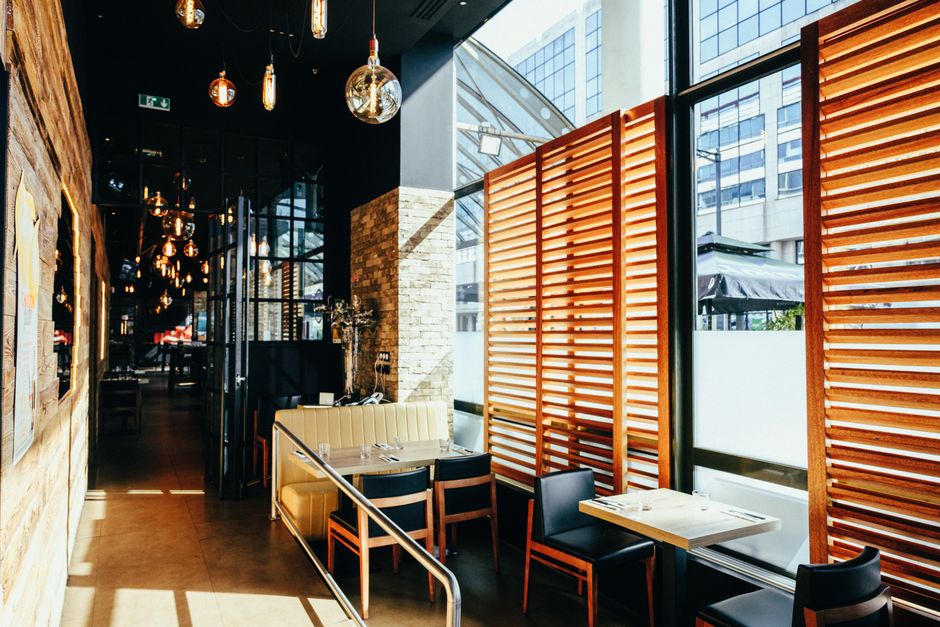
Lighting is another pivotal element in restaurant interior design. It not only illuminates the space but also sets the mood for the dining experience. Natural light can create a warm, inviting atmosphere during the day, while dim lighting can transform a restaurant into a cozy retreat at night.
Moreover, the use of different lighting fixtures can also contribute to the overall design theme. Chandeliers may add a touch of elegance to a fine dining restaurant, while industrial-style pendant lights could enhance a modern, urban eatery’s aesthetic. It’s crucial to strike a balance between functionality and aesthetics in lighting choices to ensure that the atmosphere complements the culinary offerings.
Incorporating Unique Design Elements
Unique design elements can set a restaurant apart from its competitors. This could range from custom furniture to local artwork displayed on the walls. Incorporating elements that reflect the culture or theme of the restaurant can create a cohesive and immersive experience for guests. For example, a Mediterranean restaurant might feature earthy tones, rustic wood, and terracotta tiles, evoking the feel of a sun-soaked villa.
Additionally, the integration of technology in restaurant interior design is becoming increasingly popular. Digital menus, interactive tables, and augmented reality experiences can enhance customer engagement and provide a modern twist to traditional dining.
Flexibility and Adaptability in Design
The concept of flexibility in restaurant interior design is becoming more relevant, especially in the wake of changing consumer behaviors. Restaurants need to adapt their spaces for various purposes, such as hosting events or accommodating different group sizes. Modular furniture and adaptable layouts can facilitate this need, allowing for quick reconfiguration to suit different occasions.
Moreover, outdoor dining has gained popularity, and incorporating outdoor spaces into the design can create additional revenue streams. Well-designed patios or rooftop gardens can offer guests a unique dining experience while also enhancing the restaurant’s overall aesthetic.
Conclusion: The Future of Restaurant Interior Design
As the restaurant industry continues to evolve, so too will the principles of restaurant interior design. A focus on sustainability, technology integration, and customer experience will drive future trends. Restaurant owners must stay informed about the latest design innovations and consumer preferences to create spaces that resonate with their target audience. By emphasizing thoughtful design, restaurants can not only enhance their ambiance but also solidify their place in a competitive market. For those looking to dive deeper into the world of restaurant interior design, exploring these trends and insights can provide valuable guidance in crafting the perfect dining environment.
About the Author