
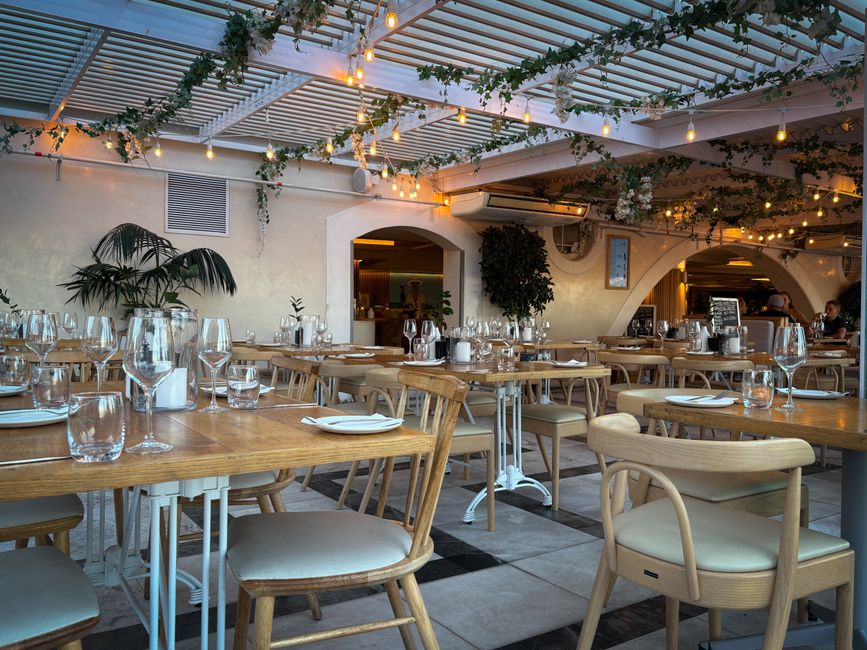
The interior design of a restaurant plays a crucial role in creating an inviting atmosphere and enhancing the dining experience. From the choice of colors to the arrangement of furniture, every detail contributes to the overall ambiance. In this article, we will explore the essential elements of restaurant interior design and how they impact customer satisfaction and business success.
The Importance of First Impressions
When customers walk into a restaurant, their first impression is often based on the interior design. Research shows that a well-designed space can significantly influence customers’ perceptions and their likelihood of returning. According to a survey by the National Restaurant Association, 70% of diners said they would return to a restaurant with a pleasant ambiance, even if the food was average. This statistic highlights the importance of investing in restaurant interior design that resonates with the target audience.
Moreover, first impressions are often formed within seconds. Therefore, it is essential for restaurant owners to understand their clientele and design their space accordingly. For instance, a family-friendly restaurant might focus on bright colors and playful decor, while a fine dining establishment may opt for a more sophisticated and subdued palette.
Key Elements of Restaurant Interior Design
Several critical elements contribute to effective restaurant interior design. These include color schemes, furniture selection, lighting, and layout. Each of these aspects plays a vital role in shaping the overall atmosphere.
Color schemes can evoke different emotions and set the tone for the dining experience. Warm colors like red and orange can stimulate appetite and conversation, while cooler colors like blue and green promote relaxation. The choice of furniture also impacts comfort and functionality. For example, comfortable seating can encourage diners to linger longer, increasing the likelihood of additional orders.
Lighting is another crucial factor. Soft, ambient lighting creates a cozy atmosphere, while brighter lights can energize the space. The layout of the restaurant must also be thoughtfully planned to ensure smooth traffic flow and provide a sense of privacy for diners.
The Role of Branding in Interior Design
The interior design of a restaurant should reflect its brand identity. Consistency between the restaurant’s branding and its interior design can create a cohesive experience for diners. This is especially important in a competitive market where differentiation is key.
For instance, a restaurant specializing in organic, farm-to-table cuisine might incorporate natural materials and earthy tones into its design. This not only reinforces the brand’s commitment to sustainability but also enhances the overall dining experience. According to a study by the Foodservice Research Institute, restaurants that align their interior design with their brand values see a 20% increase in customer loyalty.
Adapting to Trends in Restaurant Design
As consumer preferences evolve, so do trends in restaurant interior design. It is crucial for restaurant owners to stay updated on current design trends to remain relevant. For example, the popularity of open-concept layouts has surged in recent years, creating a more communal dining experience.
Furthermore, the rise of technology has influenced design choices as well. Many restaurants now incorporate digital menus and contactless payment systems, which require thoughtful integration into the overall design. Additionally, outdoor dining spaces have gained prominence, especially in urban areas, as diners seek fresh air and a change of scenery.
Conclusion: Investing in Quality Design
In conclusion, restaurant interior design is a vital component of creating a memorable dining experience. By understanding the importance of first impressions, key design elements, branding, and current trends, restaurant owners can make informed decisions that positively impact their business. Investing in quality design not only enhances customer satisfaction but also boosts profitability. As the restaurant industry continues to grow and evolve, those who prioritize thoughtful interior design will undoubtedly stand out in a crowded market.
About the Author